In 2026, a website is no longer just a digital presence; it’s an experience. As technology evolves and user expectations continue to rise, businesses are rethinking how their websites look, feel, and function. Gone are the days of static pages and predictable layouts; today’s users demand personalization, speed, interactivity, and seamless navigation across devices. From AI-powered interfaces to immersive visuals and human-centered design, modern websites are becoming smarter and more intuitive than ever before. In this blog, we’ll explore the latest website design trends in 2026 that are redefining how brands connect with their audiences online.
1. AI-Driven Personalization
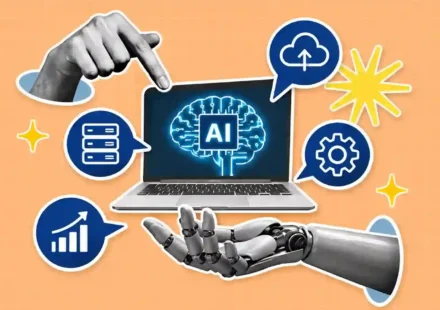
One of the biggest shifts in 2026 is the rise of AI-powered personalization. Websites are no longer static; they adapt in real time based on user behavior, preferences, and intent.
AI analyzes user data to deliver:
- Personalized content
- Dynamic layouts
- Product recommendations
- Tailored user journeys
This level of customization helps brands create deeper connections with users and significantly improves engagement and conversion rates. Businesses are increasingly using AI to make websites feel “alive” and responsive to individual users.
2. Immersive 3D and Interactive Experiences
Flat design is gradually giving way to immersive digital experiences. In 2026, websites are incorporating:
- 3D visuals
- Augmented Reality (AR)
- Virtual Reality (VR)
- Interactive storytelling
These elements make browsing more engaging and memorable. For example, e-commerce websites now allow users to explore products in 3D before purchasing.
Immersive design enhances user engagement and creates a sense of realism, making digital experiences more impactful.
3. Dark Mode as a Standard Feature
Dark mode has transitioned from a trend to a necessity. Most modern websites now offer both light and dark themes. Benefits include:
- Reduced eye strain
- Better readability in low-light environments
- Improved battery efficiency on OLED screens
Users increasingly expect this feature, and websites that fail to provide it may feel outdated.
4. Motion Design and Micro-Interactions
Subtle animations and micro-interactions are redefining user experience in 2026. These include:
Hover effects
- Loading animations
- Scroll-triggered transitions
- Button feedback
These small details make websites feel intuitive and responsive. Motion design guides users through the interface and enhances usability without overwhelming them.
5. Bold Typography and Kinetic Text
Typography is no longer just about readability; it’s now a major design element. In 2026, designers are experimenting with:
- Oversized fonts
- Animated text (kinetic typography)
- Expressive and artistic typefaces
Kinetic typography, where text moves or reacts to user interaction, adds personality and storytelling to websites, making them more engaging.
6. Experimental Navigation and Anti-Grid Layouts
Traditional navigation menus are evolving into more creative and intuitive systems. Designers are breaking away from rigid grid structures and exploring:
- Asymmetrical layouts
- Hidden menus
- Gesture-based navigation
- Scroll-based storytelling
These approaches make websites feel fresh and unique, but they must still maintain usability and clarity.
7. Conversational and Multimodal Interfaces
Websites in 2026 are becoming more conversational. Instead of traditional navigation, users can interact using:
- Chatbots
- Voice commands
- Visual inputs
Multimodal interfaces allow users to switch between typing, speaking, and clicking as they see fit, making interactions more natural and efficient.
8. Sustainable and Ethical Web Design
Sustainability is becoming a key consideration in web design. Designers are focusing on:
- Lightweight websites (faster loading, lower energy use)
- Ethical UX (no dark patterns)
- Accessibility for all users
Users today prefer brands that are transparent and socially responsible. Ethical design builds trust and ensures inclusivity.
9. Maximalism and Digital Texture
Minimalism is no longer the only dominant style. In 2026, “maximalism” and textured design are making a comeback. Key characteristics include:
- Rich visuals and layered elements
- Vibrant colors
- Tactile, “real-feel” UI elements
Designers are adding depth and personality to interfaces, making them feel more human and less mechanical.
10. Human-Centered and Accessibility-First Design
User experience remains at the core of modern web design. In 2026, there is a stronger emphasis on:
- Accessibility (for differently-abled users)
- Clear navigation
- Readability
- Inclusive design practices
Designers are prioritizing real user needs over purely aesthetic choices, ensuring websites are usable for everyone.
11. AI-Generated Design Systems
AI is not just enhancing websites; it’s also helping create them. Tools powered by AI can now:
- Generate UI layouts
- Suggest design improvements
- Automate coding
This trend is accelerating development and enabling designers to focus more on creativity and strategy rather than on repetitive tasks.
12. Mobile-First and Performance-Focused Design
With mobile usage dominating internet traffic, websites are being designed with a mobile-first approach. Key priorities include:
- Fast loading speeds
- Responsive layouts
- Optimized performance
A slow or poorly optimized website can drive users away, making performance a critical factor in design success.