Top Picks: 10 Best AI Tools for Developers You Can’t Ignore

Adam Gibbs
Adam Gibbs
AI-free content
📅 Updated: 7 November, 2026 / ⏱️ 9 min read

Summarize this blog post with:

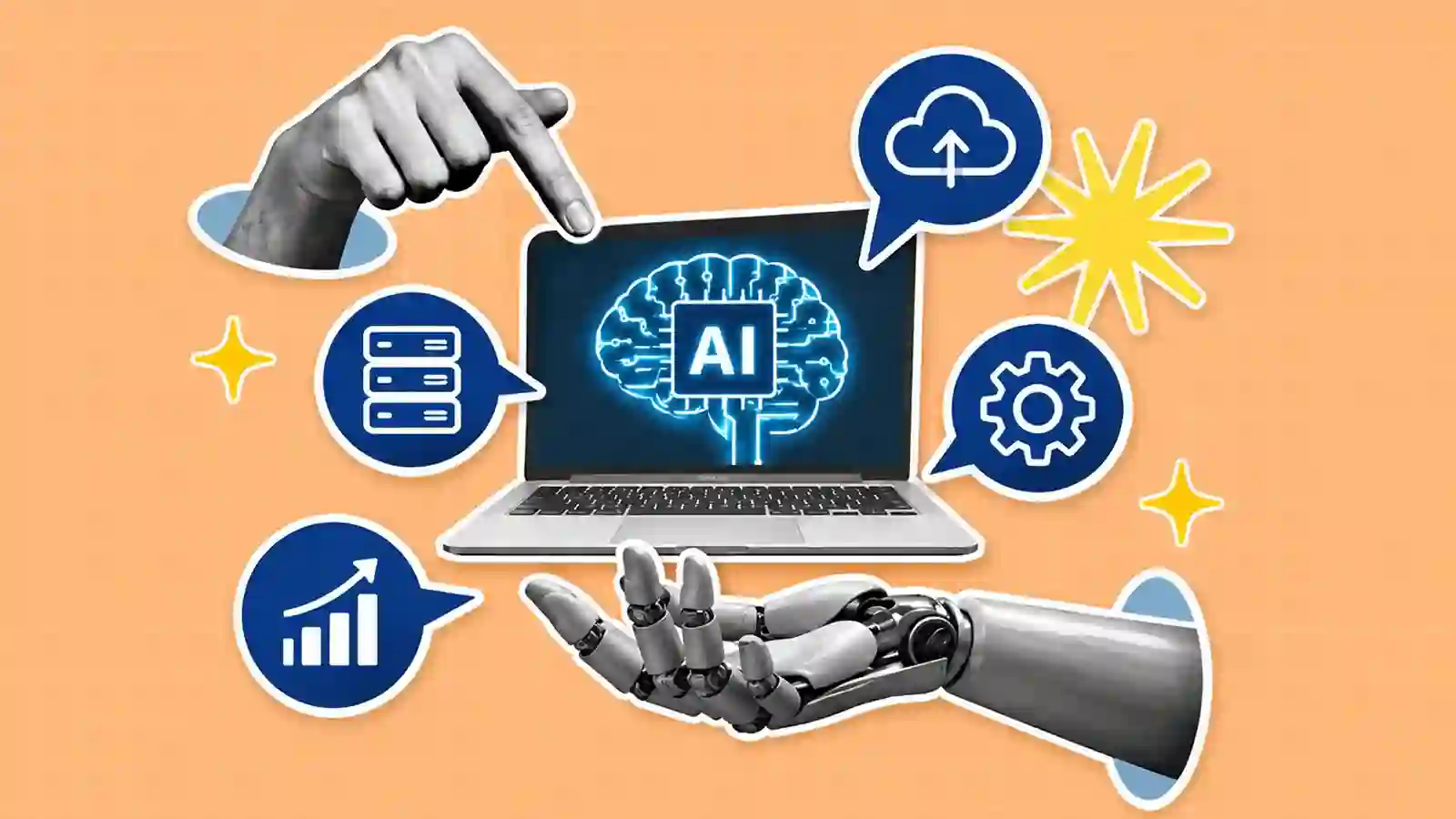
Artificial Intelligence is no longer just an add-on for developers; it’s becoming the backbone of modern software development. Nowadays, AI tools are not only accelerating coding speed but also transforming how applications are designed, tested, deployed, and maintained. Studies show that developers using AI tools can significantly boost productivity, automate repetitive tasks, and even improve code quality when used correctly.

In this blog, we’ll explore the top 10 AI tools every developer should consider in 2026, along with their key features and why they matter.


Table of Contents

Share:

1. GitHub Copilot

One of the most widely used AI coding assistants, GitHub Copilot, has become the default tool for many developers.

Why it matters:

  • Autocompletes code in real-time
  • Suggests entire functions and logic
  • Integrates seamlessly with popular IDEs

Copilot is known to significantly reduce development time by generating boilerplate code and repetitive structures, making it ideal for both beginners and experienced engineers.

2. OpenAI Codex

OpenAI Codex is an advanced AI coding agent capable of writing, debugging, and even reviewing code autonomously.

Key features:

  • Converts natural language into code
  • Fixes bugs and suggests improvements
  • Works across multiple programming languages

Codex goes beyond simple suggestions; it can handle full software engineering tasks, making it a powerful tool for modern development workflows.

3. Cursor (AI-first IDE)

Cursor is an AI-native code editor designed specifically for AI-assisted development. Why developers love it:

  • Understands entire codebases
  • Allows natural language editing
  • Handles multi-file refactoring

Unlike traditional IDEs, Cursor is built with AI at its core, offering deeper context awareness and smarter automation for complex projects.

4. Codeium

Codeium is a fast, lightweight, and free AI coding assistant gaining popularity among developers.

Highlights:

  • Supports multiple languages
  • Real-time code suggestions
  • Minimal system overhead

It’s a great alternative to paid tools, especially for developers who want powerful AI assistance without additional cost.

5. Tabnine

Tabnine is an AI-powered code completion tool focused on privacy and enterprise use.

Key benefits:

  • Local AI models for secure coding
  • Intelligent code predictions
  • Customizable team training

For teams working on sensitive projects, Tabnine offers a balance between AI productivity and data security.

6. TensorFlow 3.0

TensorFlow continues to be one of the most important frameworks for AI and machine learning development.

Why it’s essential:

  • Scalable model training
  • Rich ecosystem of tools
  • Strong production deployment capabilities

Its latest updates focus on performance improvements and ease of use, making it a go-to framework for building AI-powered applications.

7. PyTorch 2.0

PyTorch remains a favorite among developers for its flexibility and research-friendly design.

Key features:

  • Dynamic computation graphs
  • Easy debugging
  • Strong community support

It’s especially popular in research and experimental AI development due to its intuitive design.

8. Hugging Face Transformers

Hugging Face provides access to thousands of pre-trained models for natural language processing and beyond. Why developers use it:

  • Ready-to-use AI models
  • Easy fine-tuning
  • Strong community ecosystem

It drastically reduces the time required to build AI-powered applications like chatbots, recommendation systems, and NLP tools.

9. Google Vertex AI

Vertex AI is a unified platform for building, deploying, and scaling machine learning models.

Key advantages:

  • AutoML capabilities
  • Seamless cloud integration
  • End-to-end ML lifecycle management

It’s particularly useful for enterprise-level applications and large-scale deployments.

10. Amazon CodeWhisperer

Amazon CodeWhisperer is an enterprise-focused AI coding assistant with a strong emphasis on security.

Why it stands out:

  • Secure code generation
  • AWS integration
  • Ideal for cloud-based applications

It’s a great choice for organizations deeply integrated into the AWS ecosystem.

Emerging Trends in AI Developer Tools (2026)

Beyond individual tools, several trends are shaping the future of development:

1. Rise of AI Coding Agents:

AI is moving from assistants to autonomous agents capable of completing entire tasks. Tools like Codex and similar agents can write, test, and deploy code with minimal human input.

2. AI-Native Development Environments:

Tools like Cursor represent a shift toward AI-first IDEs, in which AI is deeply integrated across every aspect of development.

3. Multi-Tool Workflows:

Developers are no longer relying on a single AI tool. Instead, they combine tools for:

  • Coding (Copilot, Codeium)
  • Research (AI chatbots)
  • Deployment (Vertex AI)

4. Productivity vs. Quality Balance:

While AI tools can boost productivity significantly, developers still need to review outputs carefully to avoid bugs and errors, especially in early adoption phases.

How to Choose the Right AI Tools

Not every tool fits every developer. Here’s a quick guide:

  • Beginners: Start with Copilot or Codeium
  • Advanced developers: Use Cursor or Codex
  • ML engineers: Focus on TensorFlow, PyTorch, Hugging Face
  • Enterprise teams: Consider Vertex AI or CodeWhisperer

The key is to integrate AI tools into your workflow—not depend on them blindly.

Conclusion

By the end of 2026, AI tools will no longer be optional; they will be essential for staying competitive as a developer. From intelligent code assistants like GitHub Copilot to full-fledged AI agents like OpenAI Codex, these tools are reshaping the way software is built.

However, the most successful developers are not those who rely entirely on AI, but those who use AI strategically, combining human creativity with machine efficiency.

FAQs

1. What is the difference between AI assistants and AI agents?

AI assistants help with specific tasks like code completion or suggestions, while AI agents can perform more complex actions such as writing, testing, and deploying entire applications with minimal human input.

2. Do AI tools support all programming languages?

Most modern AI tools support multiple programming languages, including Python, JavaScript, Java, C++, and more. However, the level of support may vary depending on the tool.

3. Can AI tools help with debugging code?

Yes, many AI tools can identify bugs, suggest fixes, and even explain errors, making debugging faster and more efficient.

4. Do AI tools improve code quality?

AI tools can improve code quality by suggesting best practices and detecting errors. However, developers should always review AI-generated code to ensure accuracy.

3. Low-Quality Backlinks Are Now a Risk

Backlinks were once considered the most powerful ranking factor. As a result, many businesses tried to build as many backlinks as possible, often through directories, link farms, or spammy websites.

While backlinks are still important, the emphasis has shifted from quantity to quality.

Search engines now evaluate the credibility, relevance, and authority of linking websites. Links from low-quality or unrelated sites can damage rankings rather than improve them.

Modern SEO strategies focus on earning high-quality backlinks through valuable content, digital PR, and partnerships rather than artificial link-building tactics.

4. Content Quantity No Longer Beats Content Quality

Another outdated strategy is publishing large amounts of content simply to increase the number of indexed pages.

Many companies used to publish short, generic blog posts just to target more keywords. Unfortunately, this approach often results in thin content that offers little value to readers.

Search engines now prioritize depth, expertise, and usefulness. A well-researched article that answers user questions thoroughly is far more effective than multiple short posts covering the same topic.

Today, successful SEO strategies focus on creating high-quality content that demonstrates expertise and builds trust with readers.

5. User Experience Is Now a Major Ranking Factor

In the past, SEO was largely focused on optimizing content and backlinks. But today, user experience plays a major role in search rankings.

Search engines analyze how users interact with websites. If visitors quickly leave a page because it loads slowly or is difficult to navigate, search engines may interpret that as a poor user experience.

Factors such as page speed, mobile friendliness, site structure, and readability now influence rankings.

Websites that ignore user experience in favor of outdated SEO tactics struggle to maintain visibility in search results.


6. Search Intent Matters More Than Keywords

Traditional SEO strategies often focused only on targeting specific keywords. However, modern search engines prioritize understanding what users actually want when they type a query.

This concept is known as search intent.

For example, someone searching for “best laptops for students” is looking for recommendations, while someone searching for “buy laptop online” is ready to make a purchase.

If a page does not match the user’s intent, it is unlikely to rank well—even if it contains the correct keywords.

Modern SEO requires understanding different types of search intent and creating content that directly addresses the needs of the user.

7. AI and Voice Search Are Changing SEO

The rise of AI-powered search and voice assistants has also made many traditional SEO tactics outdated.

Voice searches tend to be longer and more conversational. Instead of typing short keywords, users now ask complete questions such as:

“What is the best digital marketing strategy for small businesses?”

“How can I improve my website SEO?”

Because of this shift, modern SEO strategies focus more on conversational content, question-based keywords, and clear answers.

Businesses that continue to focus only on short keywords may miss opportunities to capture this growing segment of search traffic.

8. Authority and Trust Are Now Critical

Search engines increasingly evaluate websites based on their authority and trustworthiness.

Publishing random blog posts with little expertise is no longer enough to rank well. Search engines now favor websites that demonstrate credibility within their industry.

This means businesses must focus on building strong brand authority through expert content, reliable sources, and consistent publishing.

Companies that rely on outdated SEO tricks instead of building real expertise often struggle to compete with authoritative websites.

9. Data-Driven SEO Is Replacing Guesswork

Another reason many SEO strategies become outdated is that they rely on assumptions rather than real data.

Modern SEO requires continuous monitoring and analysis. Businesses need to track keyword performance, user behavior, search trends, and competitor activity to adjust their strategies.

Tools powered by AI and analytics now help marketers identify opportunities and optimize content more effectively.

Without a data-driven approach, SEO strategies quickly become ineffective.

10. SEO Is Now Part of a Larger Digital Strategy

Perhaps the biggest reason traditional SEO strategies are outdated is that SEO no longer works in isolation.

Search visibility is influenced by multiple factors, including brand reputation, social signals, content quality, website performance, and user engagement.

Successful businesses now integrate SEO with content marketing, social media marketing, and digital PR to build a strong online presence.

Companies that treat SEO as a standalone tactic often fail to achieve sustainable results.

The Future of SEO

SEO is constantly evolving, and strategies that work today may become outdated in the future. However, the core principle remains the same: providing valuable content and a great experience for users.

Instead of chasing shortcuts or outdated tactics, businesses should focus on creating helpful content, building authority, improving user experience, and understanding search intent.

Those who adapt to these changes will continue to benefit from organic search traffic, while those who cling to outdated SEO strategies will struggle to stay visible online.

Conclusion

Most outdated SEO strategies share one common flaw—they focus on manipulating search engines rather than serving users.

Search engines have become far more sophisticated, prioritizing relevance, quality, and user satisfaction. As a result, tactics like keyword stuffing, low-quality backlinks, and mass content production are no longer effective.

Businesses that want long-term success must adopt modern SEO strategies built around high-quality content, user experience, and data-driven insights.

SEO is not dead, but outdated SEO strategies certainly are. Companies that evolve with the changing search landscape will continue to grow their online visibility and stay ahead of the competition.

FAQs

Some common outdated SEO tactics include:

  • Keyword stuffing
  • Buying spammy backlinks
  • Publishing large amounts of low-quality content
  • Exact-match keyword domains
  • Ignoring mobile optimization
  • Over-optimizing anchor text

These methods may even harm search rankings today.

The best way to future-proof SEO is to focus on:

  • Creating high-quality content
  • Understanding user intent
  • Improving website performance
  • Building authority and trust
  • Using data and analytics for optimization

Businesses should review and update their SEO strategy regularly, ideally every 6–12 months. Search engine algorithms, user behavior, and digital trends change frequently, so ongoing optimization is essential for maintaining rankings.

Backlinks remain an important ranking factor, but quality matters more than quantity. Links from authoritative and relevant websites are far more valuable than a large number of low-quality links.

Written by Adam Gibbs

Adam is a skilled SEO content expert with a proven track record of crafting high-quality, keyword-rich content that drives traffic, engages readers, and ranks on search engines. With 10+ years of experience in digital marketing and content strategy, Adam specializes in creating blog posts, website copy, and marketing materials tailored to both audience needs and SEO best practices.

Related Posts

  • All Posts
  • SEO
Load More

End of Content.

Scroll

Our site uses cookies. By using this site, you agree to the Privacy Policy and Terms of Use.

0%