
Social Commerce for Businesses: A Complete Guide for 2026 and Beyond

Adam Gibbs
Adam Gibbs
AI-free content
📅 Updated: 5 September, 2026 / ⏱️ 5 min read
🎧 Listen Podcast

Summarize this blog post with:

Social media in 2026 isn’t just for random scrolling; it’s for shopping too. Young consumers prefer to explore products on Instagram or Facebook reels and make purchases right on WhatsApp, making social commerce one of the fastest-growing online channels.

Believe it or not, the below stat clearly highlights its impact:

75% of customers have bought a product after seeing it in a social media post.
65% of US customers purchased products they hadn’t initially planned to buy because of a social post.
Social commerce sales are projected to reach $2.9 trillion globally by the end of 2026.

If you are a brand owner or planning to start a new business online, this blog will introduce you to the world of social commerce. Let’s begin by exploring what social commerce is and how it can drive customer growth.


Understanding Social Commerce

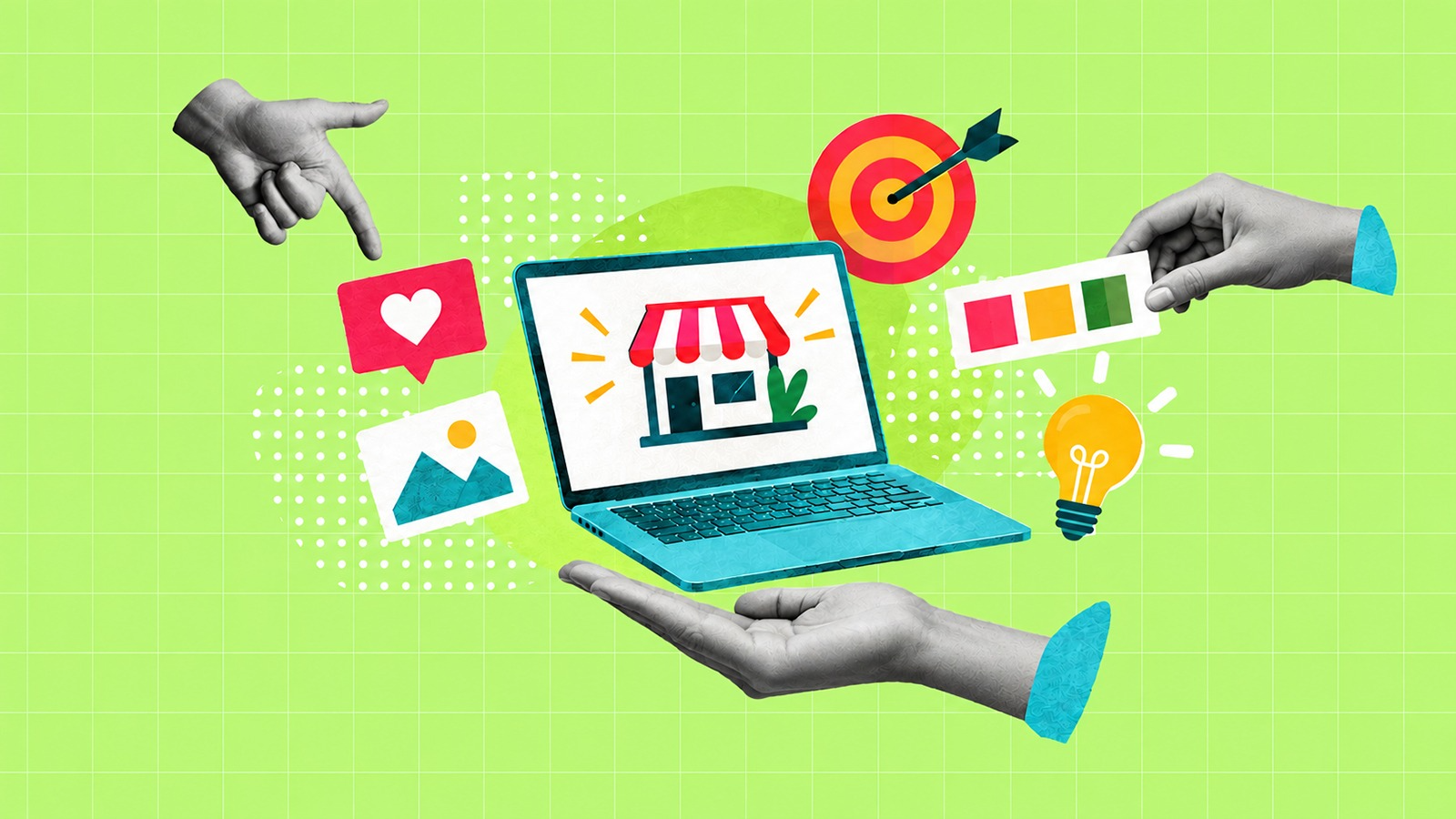
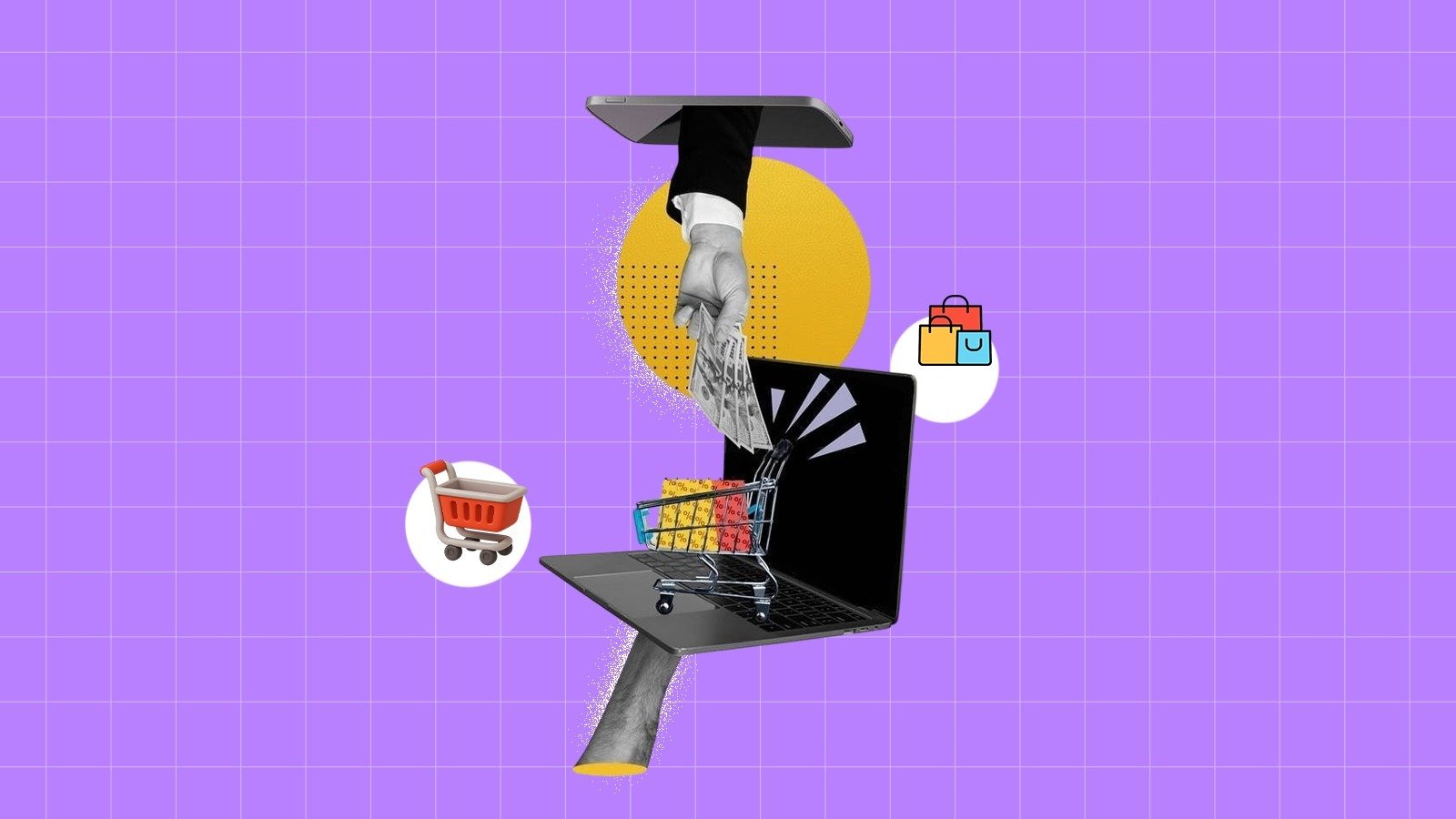
Social commerce is a form of e-commerce that uses social media for online shopping. Instead of clicking a link in a bio or heading directly to a brand’s site, social commerce allows consumers to discover, research, and purchase products within a social application.

Rather than search engines and retail websites serving up product connections as with traditional online shopping, social commerce brings that experience into social platforms people already use to connect with friends, follow influencers, and consume content. At Qtonix, our experts say:

Social commerce = Social media + Online shopping

It lets users buy products without leaving an app like Instagram or Facebook.

This innovation builds on two key trends:

  • The rise of visual discovery: People scroll social feeds, reels, and stories where products are showcased organically.
  • Mobile-first habits: Billions of consumers worldwide use social apps daily, making them ideal environments for shopping.

Why Social Commerce Matters?

Social commerce has grown rapidly because it matches how people already behave online:

1. Seamless Shopping Experience:

Instead of navigating away from apps, users tap, view, and pay without switching platforms. This reduces friction and increases conversions.

2. High Engagement with Content:

Products showcased through stories, posts, videos, and live streams feel less like ads and more like organic recommendations from people you trust.

3. Social Proof Matters:

Because purchases happen alongside likes, comments, and shares, prospective buyers see feedback from others in real time. This builds trust and drives sales.

4. Influencer & Community Power:

Creators and influencers, with engaged followers, can directly showcase products. Fans can buy instantly, turning inspiration into action.

Key Features of Social Commerce on Instagram & Facebook

Both Instagram and Facebook support social commerce, but they each approach it with unique tools and user experiences.

1. Shoppable Posts

On both platforms, brands can tag products in feed posts, just like you tag people. When users tap a photo, they see prices and product details. A second tap leads to a checkout page inside the app or a product page on a website.

Example:

  • A fashion brand posts a carousel of outfits.
  • Each item shows a small “View Products” tag.
  • Tap, explore, and buy.

2. Instagram & Facebook Shops

These are customizable storefronts built right into the apps. Think of it like a mini-store:

  • Brands upload their product catalog.
  • Users browse collections (e.g., “New Arrivals,” “Best Sellers”).
  • Items link to individual product pages with checkout options.
  • Shops can be discovered from:
  • Instagram profiles
  • Facebook Pages
  • Explore tab (Instagram)
  • Ads

Shops bring a traditional shopping experience into a social app.

3. In-App Checkout

One of the most powerful features is in-app checkout. Instead of redirecting to an external site, users can complete purchases with saved payment info.

Benefits:

  • Faster purchase flow
  • Fewer abandoned carts
  • Better conversion rates

For brands, this also provides valuable data about customer behaviour, enabling better targeting and personalization.

4. Live Shopping

Live shopping blends video streaming with instant buying. A brand or influencer goes live, showcases products in real time, and viewers can tap to buy without leaving the stream.

Live shopping has become a huge trend because:

  • It replicates the in-store experience
  • Hosts can answer questions live
  • Viewers feel urgency and excitement

This feature is especially popular in beauty, fashion, lifestyle, and home decor categories.

5. Instagram Reels & Facebook Videos

Videos, especially short-form content like Instagram Reels, are powerful social commerce tools. Brands can add product stickers, tag items, and drive viewers to their shop.

Because short videos are engaging and entertaining, they help products spread organically.

How People Actually Buy on Social Commerce?

So what does the purchase journey look like? Here’s a step-by-step example:

1. Step 1: Discovery

A user is scrolling through Instagram Reels and sees a video of a cool smartwatch. The creator tags the watch in the video.

2. Step 2: Engagement

The user taps the product tag, and a page opens showing price, colors, and details.

3. Step 3: Consideration

They explore the brand’s Instagram Shop for more items and read comments from other buyers.

4. Step 4: Decision

They tap “Checkout in App,” select shipping and payment, and complete the order, all within Instagram.

5. Step 5: Follow-Up

After purchase, they might receive order updates and can revisit the brand’s Shop easily.

This flow feels natural and takes seconds compared to traditional e-commerce.

Why Brands Love Social Commerce?

For brands, especially small and medium ones, social commerce offers several advantages:

  • Lower Barriers to Entry: You don’t need a full e-commerce website to start selling. Instagram and Facebook Shops act as built-in storefronts.
  • Higher Conversion Rates: Because users don’t have to leave the app, the chance they complete a purchase increases.
  • Data & Insights: Brands can see who is engaging with their products and tailor ads and content accordingly.
  • Community-Driven Sales: Follower trust, especially from influencers, creates strong social proof.
  • Integrated Advertising: Products can be promoted with targeted ads, turning discovery into direct sales.

The Future of Social Commerce

Social commerce is still evolving. New technologies, from augmented reality (AR) try-ons to AI-driven recommendations, will make shopping even more immersive.

We’re also seeing:

  • More seamless integration with messaging apps (e.g., shopping via Instagram DMs or Facebook Messenger).
  • Social commerce is expanding into video games and virtual worlds.
  • Greater use of creators as selling partners, with affiliate tools and revenue-sharing.

Ultimately, social commerce is about reducing friction, meeting customers where they already spend time, and turning discovery into instant purchase.

Conclusion

Social commerce is a major evolution in digital shopping. By blending social media with seamless buying experiences, platforms like Instagram and Facebook have created a new path for brands and customers to connect.

  • Instead of clicking away to shop, users can now:
  • Discover products through stories and feeds
  • Explore shops without leaving their favourite apps
  • Checkout in a few taps
  • Enjoy a socially enriched shopping experience

For businesses, social commerce represents both an opportunity and a challenge — a chance to connect with customers in a more authentic way, and a reminder that the future of retail is social, connected, and mobile-first.

FAQs

Products that perform well visually tend to succeed, such as:

  • Fashion and apparel
  • Beauty and skincare
  • Accessories and jewelry
  • Home decor
  • Fitness and lifestyle products

Yes. As social platforms continue to evolve with video, AI, and augmented reality, social commerce is expected to become a major driver of online retail growth worldwide.

Key benefits include:

  • Faster buying journeys
  • Higher conversion rates
  • Stronger customer relationships
  • Access to real-time engagement and analytics

Influencers play a major role by showcasing products authentically. Their recommendations build trust, and product tags allow followers to purchase instantly, turning inspiration into action.

Written by Adam Gibbs

Adam is a skilled SEO content expert with a proven track record of crafting high-quality, keyword-rich content that drives traffic, engages readers, and ranks on search engines. With 10+ years of experience in digital marketing and content strategy, Adam specializes in creating blog posts, website copy, and marketing materials tailored to both audience needs and SEO best practices.

Related Posts

  • All Posts
  • SEO
Load More

End of Content.

Scroll

Our site uses cookies. By using this site, you agree to the Privacy Policy and Terms of Use.

0%