




Summarize this blog post with:
 ChatGPT
 Perplexity
 Claude
 Grok
Grok
How to Build and Optimize a Google Ads?
Here are the key steps to build and optimise a Google Ads luxury brands targeting the USA:
1. Budget & Spend Health Check:
The goal is to ensure you are spending your budget efficiently and not missing peak shopping hours.
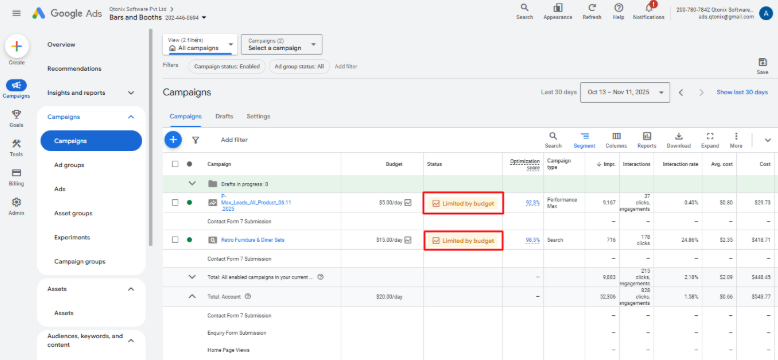
- Check Daily Spend vs. Budget:
- Confirm no campaigns are “Limited by budget” (unless intentional for testing).
- Ensure the most critical, high-ROAS campaigns are not exhausting their budget too early in the day.
- Identify Anomalies:
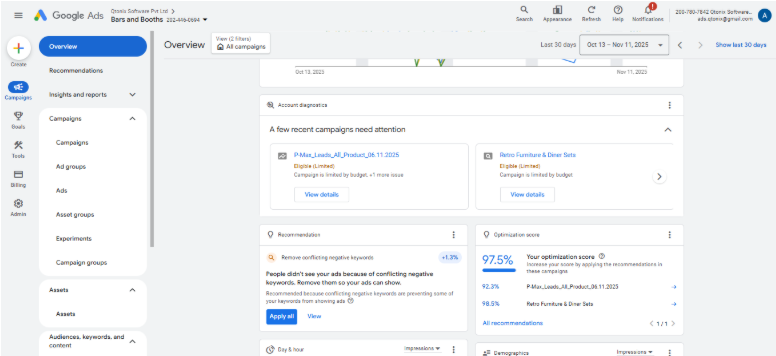
- Look for any sudden, unusual spikes or drops in Spend, Clicks, or Impressions. A spike can indicate an irrelevant broad match keyword firing or a competitor starting a heavy bidding war.
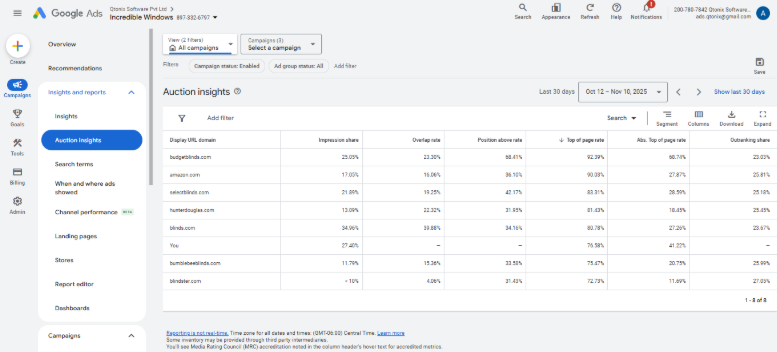
- Review Auction Insights (Quick Scan):
- Check for significant, sudden changes in Impression Share (Lost to Rank/Budget) or Outranking Share against your top 3 competitors. This is crucial for maintaining market dominance on branded/high-intent keywords.
2. Search Terms & Negative Keywords:
For luxury, eliminating irrelevant traffic is your most critical daily task to protect your premium audience and budget.
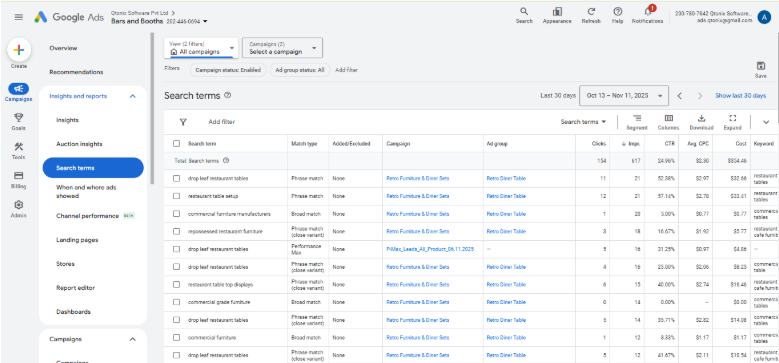
- Filter Search Terms Report:
- Focus on Cost: Filter the report to see search terms that have spent the most money without a conversion.
- Add Negative Keywords: Immediately add irrelevant, low-intent, or non-luxury terms as Negative Keywords.
- Examples to Exclude (USA Market): “cheap,” “free,” “discount,” “used,” “jobs,” “DIY,” “wholesale,” “repair,” “tutorial,” and location-specific terms outside your targeted USA zones (e.g., if you only ship to NYC, exclude “Miami”).
- Identify New High-Intent Terms:
- Look for new, highly specific Long-Tail Keywords that drove conversions. Add these as new Exact Match keywords to their respective ad groups for tighter control and better Quality Score.
- Luxury Example: If “designer watch repair service Manhattan” converts, add it as a new Exact Match keyword.
3. Performance & Bid Review
- Conversion Rate (CVR) and ROAS Check:
- Check the CVR and ROAS for your top-spending Campaigns and Ad Groups.
- If a high-spending campaign is suddenly seeing a drop in ROAS, check its Search Terms (from step 2) for the cause.
- Review Automated Bidding Status (if applicable):
- If using Smart Bidding (e.g., Target ROAS), confirm the system is not hitting any strange constraints or receiving low-volume conversion data. Automated strategies require stable data to perform optimally.
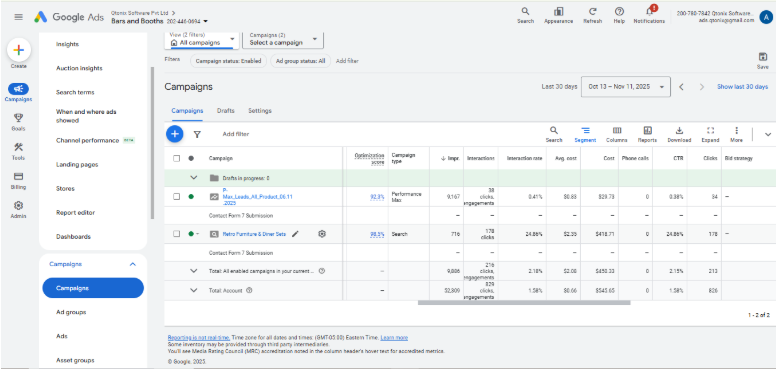
4. Ad Quality Check
Maintain the brand voice and ensure all parts of the ad are running correctly.
- Ad Copy Status:
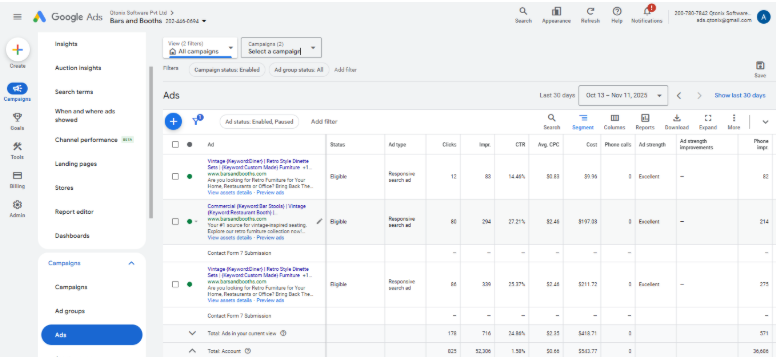
- Verify that all Responsive Search Ads (RSAs) have a status of “Good” or “Excellent” and that all Sitelinks and Callouts are approved and serving.
- Check for Expiring Promotions:
- Confirm that any temporary Promotion Extensions (e.g., for a limited-edition collection launch) are correctly scheduled and have not expired or are not showing incorrectly.
- Review High-Impression/Low-CTR Ads:
- Identify any ads with high impressions but a low Click-Through Rate (CTR). This may indicate an ad that is showing up for irrelevant searches (which should be fixed with negative keywords) or ad copy that isn’t compelling enough for the luxury buyer.
5. Weekly Optimization Tasks (USA Luxury Focus)
Task:
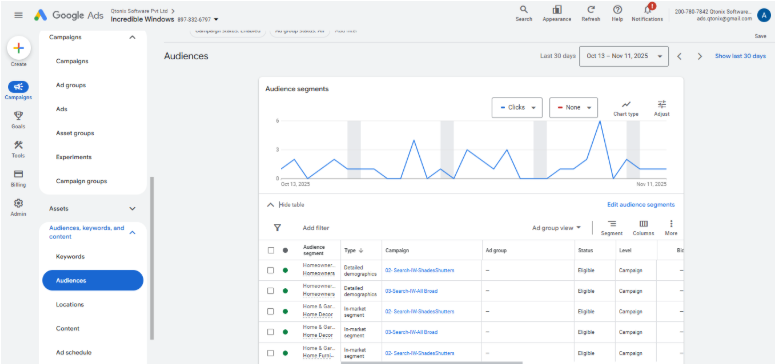
- Audience Review
- Check Observation Audiences: Review performance metrics for in-market, affinity, and custom segments. Adjust Bid Modifiers for the highest-value USA audiences (e.g., “Luxury Shoppers,” “High-Net-Worth Individuals”).
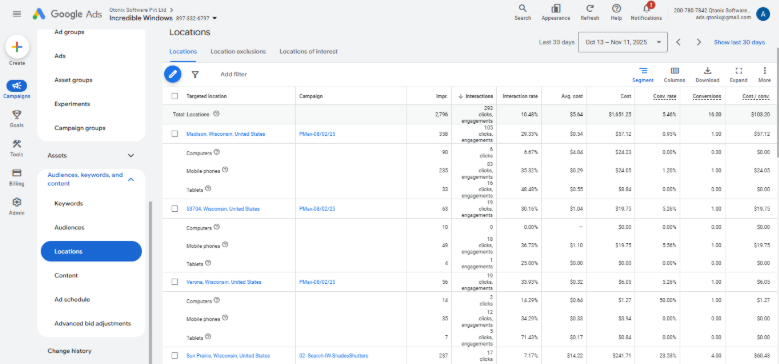
- Geo & Device Performance
- Review the US Location Report: Analyze performance by state and city. Increase bids for high-ROAS luxury metro areas (e.g., NYC, LA, Miami, Dallas). Check Mobile/Desktop Split for CVR and adjust bids—luxury often sees high research on mobile but final conversion on desktop.
- Creative Testing
- A/B Test Ad Copy: Launch a new test with different luxury messaging angles: “Exclusivity” vs. “Heritage/Craftsmanship” vs. “Status/Aspiration”. Pause the losing ad variation.
- Landing Page Audit
- Check CVR by Landing Page: Ensure landing pages reflect the exact product or offer in the ad. For luxury, the landing page must be visually stunning, fast-loading, and mobile-responsive to maintain the premium brand experience.
- Review Keyword Performance (Quick Scan)
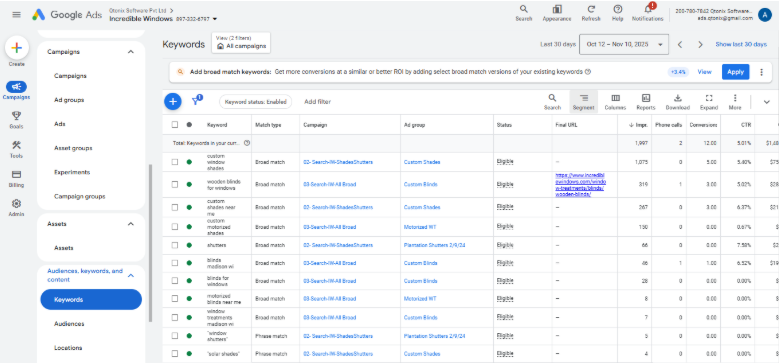
- Review keywords with a low Quality Score (below 6/10). Improve them by making ad copy and landing pages more relevant to the search query’s intent.
Note: Combining both into a Google+Yandex funnel lets you capture affluent international travelers who browse between both ecosystems.
Conclusion
Creating and optimizing an Ads campaign to target US-based luxury brands requires both artistry and science. You’ll want precision in keyword and audience targeting, elegance in creative and landing experience, and discipline in optimization through data. But also, you must respect the slower, considered journey of luxury buyers: fewer clicks, longer decision cycles, and higher value conversion.
By matching your strategy to the premium nature of your brand, using Google Ads features capable of targeting affluent audiences and engaging with a high-quality user experience sequentially with seamless ads and landing pages, you will have the foundation to acquire and convert this luxury-buyer segment in the U.S.





- All Posts
- SEO

Table of Contents Book Intro Call Case Studies Share: Related Guides: Related Posts How to Verify Your Domain in Meta...

Table of Contents Book Intro Call Case Studies Share: Related Guides: Related Posts How to Verify Your Domain in Meta...

Table of Contents Book Intro Call Case Studies Share: Related Guides: Related Posts How to Verify Your Domain in Meta...

Mastercopy Table of Contents Book Intro Call Case Studies Share: Related Guides: Related Posts SEO Beyond Keywords: Why Schema Markups...