
Email Marketing in 2026: What’s Changing and What’s Not?

Adam Gibbs
Adam Gibbs
AI-free content
📅 Updated: 3 September, 2026 / ⏱️ 5 min read
🎧 Listen Podcast

Summarize this blog post with:

During the 90s, email entered the mainstream through services like Yahoo Mail and Hotmail. For brands and businesses, it was a game-changer; communication became faster, cost-effective, and more scalable than traditional methods of sending messages.

Between 2005 and 2010, email marketing came of age. Platforms like Mailchimp emerged, giving marketing experts the ability to personalize messages, segment audiences, automate campaigns, and measure performance. Email was no longer just about sending messages; it became more purpose-driven.

So what does email marketing look like today?

This blog breaks down what email marketing really is, how it has evolved, and why it remains one of the most powerful tools in a modern marketing strategy.


Table of Contents

Share:

Email Marketing at A Glance

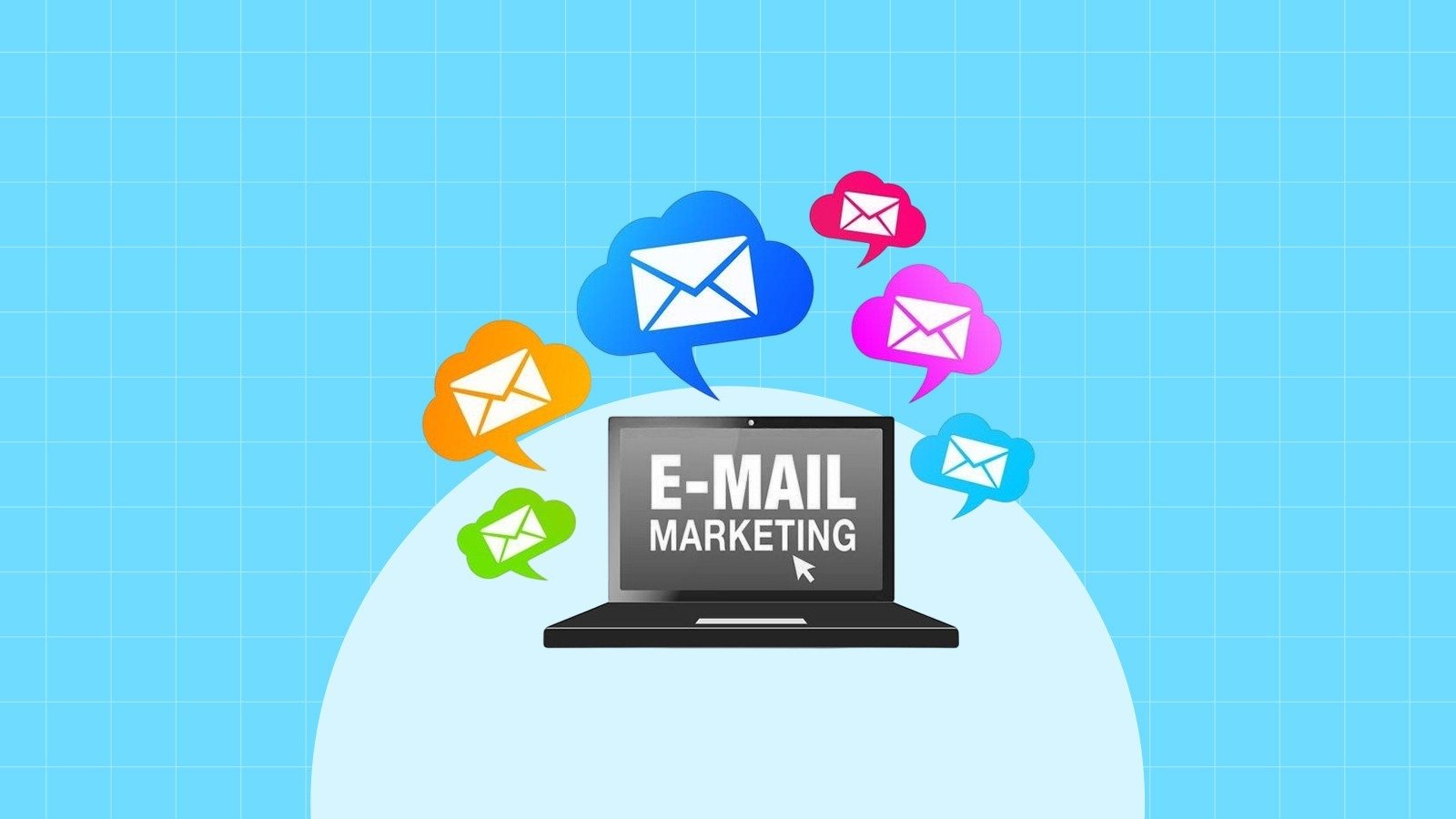
Email marketing is the practice of sending targeted messages to a group of people via email to inform, engage, nurture, or convert them. These messages can include:

  • Newsletters
  • Promotional offers
  • Product updates
  • Educational content
  • Event invitations
  • Transactional and behavioral emails

At its core, email marketing is about direct communication. Unlike social media or search platforms, email gives brands a direct line to their audience—without needing to compete with algorithms or pay for every impression.

What makes email marketing unique is that it typically targets people who have opted in. These are users who have shown interest by signing up, downloading a resource, making a purchase, or subscribing to updates.

A Quick Look at How Email Marketing Has Evolved

Email marketing didn’t start as the sophisticated channel we know today.

  • 1990s: Email went mainstream with services like Hotmail and Yahoo Mail. Businesses realized they could communicate faster and cheaper than traditional mail.
  • 2000 to 2010: Platforms like Mailchimp and Campaign Monitor introduced automation, list segmentation, and analytics. Email became more strategic.
  • 2010 to 2020: Personalization, responsive design, and behavioral triggers became standard.
  • 2026: Email marketing is now powered by AI, advanced automation, predictive analytics, and deep integrations with CRM and e-commerce platforms.

Despite all this change, the core strength of email has remained the same: relevance delivered directly to the inbox.

Why Email Marketing Still Works in 2026

1. You Own the Audience

One of the biggest advantages of email marketing is ownership. Social media platforms can change algorithms, reduce reach, or even disappear. With email, your subscriber list belongs to you. You are not dependent on a third-party platform to reach your audience. In 2026, when brands are increasingly cautious about platform dependency, this ownership is more valuable than ever.

2. Email Delivers Exceptional ROI

Email marketing consistently delivers one of the highest ROIs in digital marketing. While exact numbers vary by industry, email remains far more cost-effective than paid ads, influencer marketing, or sponsored content.

Why?

  • Low distribution cost
  • Highly targeted messaging
  • Ability to nurture leads over time
  • Strong performance across the customer lifecycle

In an era of rising ad costs, email continues to be a reliable, scalable growth channel.

3. Personalization Has Reached a New Level

Generic, one-size-fits-all emails no longer work. The good news? Modern email marketing tools make deep personalization easier than ever.

In 2025, brands can personalize emails based on:

  • User behavior
  • Purchase history
  • Browsing patterns
  • Location and time zone
  • Engagement levels

AI-driven tools can now recommend content, subject lines, and send times tailored to individual users. This level of personalization makes emails feel less like marketing—and more like helpful conversations.

4. Automation Makes Email Smarter, Not Spammy

Email automation is no longer about blasting sequences. It’s about sending the right message at the right time.

  • Common automated email flows include:
  • Welcome sequences
  • Abandoned cart reminders
  • Post-purchase follow-ups
  • Re-engagement campaigns
  • Educational drip series

These emails are triggered by real user actions, making them highly relevant and timely. As a result, they often outperform manual campaigns in both open and conversion rates.

5. Email Supports the Entire Customer Journey

Few channels are as versatile as email.

Email can:

  • Attract new leads with valuable content
  • Nurture prospects until they’re ready to buy
  • Drive repeat purchases
  • Build loyalty and advocacy

From first touch to long-term retention, email marketing supports every stage of the funnel. In 2025, this lifecycle approach is critical as businesses focus more on retention and customer lifetime value.

6. Trust and Privacy Favor Email

With growing concerns around data privacy, users are more cautious about how brands communicate with them. Email, when done right, feels more transparent and respectful. Subscribers choose to opt in. They can unsubscribe at any time. This permission-based model builds trust, something increasingly hard to earn online. In a post-cookie world, email has become one of the most reliable first-party data channels available.

7. Email Works Across Industries and Business Sizes

Whether you’re:

  • A startup
  • A SaaS company
  • An e-commerce brand
  • A B2B enterprise
  • A personal brand or creator

Email marketing adapts to your goals. It scales easily, integrates with other tools, and works just as well for relationship building as it does for direct sales. That flexibility is why email remains relevant across industries in 2026.

What Makes Email Marketing Successful in 2026?

To succeed today, email marketing must be:

  • Permission-based
  • Value-driven, not sales-only
  • Personalized and segmented
  • Mobile-friendly
  • Data-informed and optimized

Brands that focus on building relationships rather than just pushing promotions are the ones seeing results.

Conclusion

Email marketing has survived every major shift in the digital landscape, from social media explosions to AI revolutions, and in 2025, it remains one of the most dependable marketing channels available.

Not because it’s old, but because it adapts.

When used strategically, email marketing isn’t just a tool for sending messages. It’s a channel for building trust, nurturing relationships, and driving sustainable growth. In a noisy digital world, the inbox is still one of the few places where meaningful conversations can happen, and that’s why email marketing still works.

FAQs

Email marketing gives you direct access to your audience without relying on platform algorithms. Unlike social media, you own your email list, control your reach, and can communicate more personally and consistently.

Common types include newsletters, promotional emails, welcome emails, abandoned cart emails, transactional emails, re-engagement campaigns, and automated drip sequences.

Absolutely. Email marketing is cost-effective, easy to scale, and works well for small businesses. Even with a small list, targeted and well-crafted emails can drive meaningful engagement and sales.

Yes, when done correctly. Businesses must follow regulations like GDPR and other data protection laws by using opt-in forms, clear consent, and easy unsubscribe options to protect user privacy.

Written by Adam Gibbs

Adam is a skilled SEO content expert with a proven track record of crafting high-quality, keyword-rich content that drives traffic, engages readers, and ranks on search engines. With 10+ years of experience in digital marketing and content strategy, Adam specializes in creating blog posts, website copy, and marketing materials tailored to both audience needs and SEO best practices.

Related Posts

  • All Posts
  • SEO
Load More

End of Content.

Scroll

Our site uses cookies. By using this site, you agree to the Privacy Policy and Terms of Use.

0%